
Cognitive Stimulation Therapy Adelaide
Supporting focus, problem solving, and engagement for people with neurological conditions
Trelity Health
Cognitive Stimulation Therapy Adelaide
Trelity Health provides Cognitive Stimulation Therapy (CST) as part of our Allied Health and neurological rehabilitation services. CST is an evidence-based program using conversation, orientation, memory, and problem-solving activities to strengthen cognitive function and engagement in everyday life.
Our team support people living with conditions such as MND, MS, Dementia, Parkinson’s Disease, Stroke, and Acquired Brain Injury to maintain independence, communication, and wellbeing at home, in clinic, or in community settings.
What Cognitive Stimulation Therapy Involves
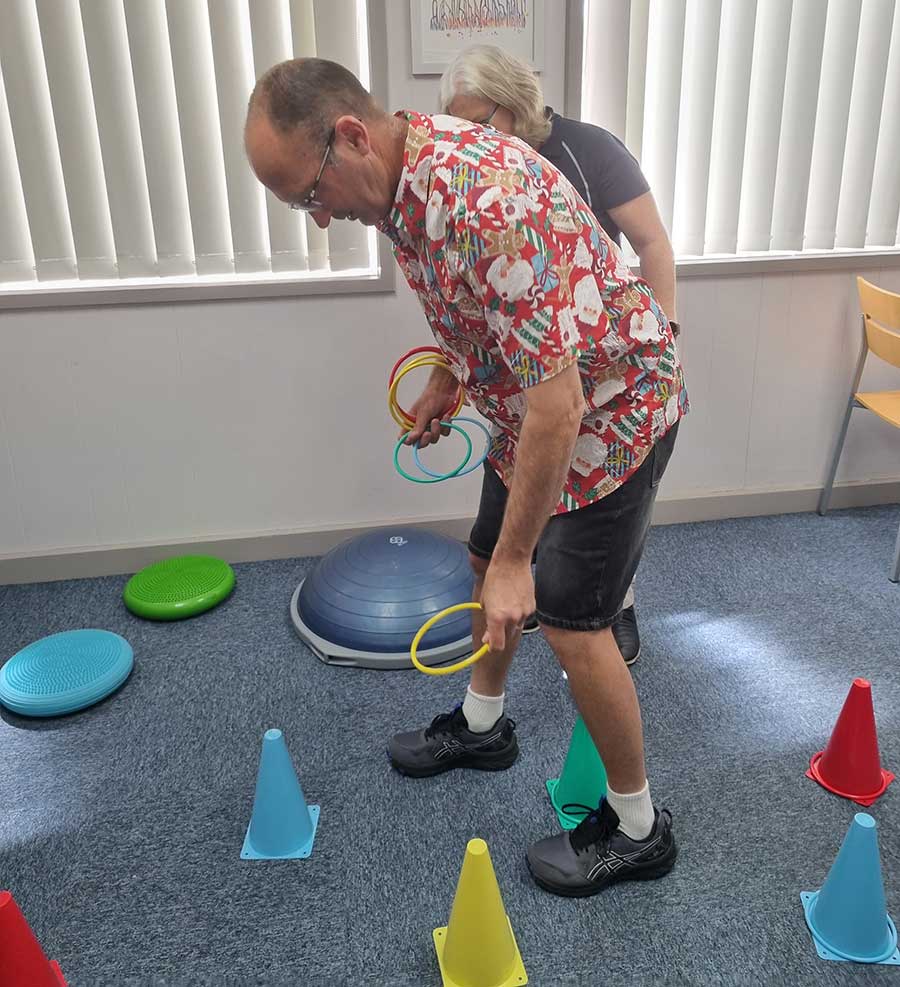
Cognitive Stimulation Therapy (CST) is a structured, evidence-based program designed to keep the mind active through practical and enjoyable activities. Sessions typically involve conversation, memory games, word association, music, problem-solving, and everyday reasoning tasks.
Each activity is carefully chosen to stimulate different areas of thinking such as attention, memory (short term recall and reminiscence therapy), and communication, while supporting social connection and emotional wellbeing. CST focuses on enjoyment and engagement rather than testing or performance, creating a positive environment that encourages participation and confidence and errorless learning.
Our Cognitive Stimulation Therapy Services
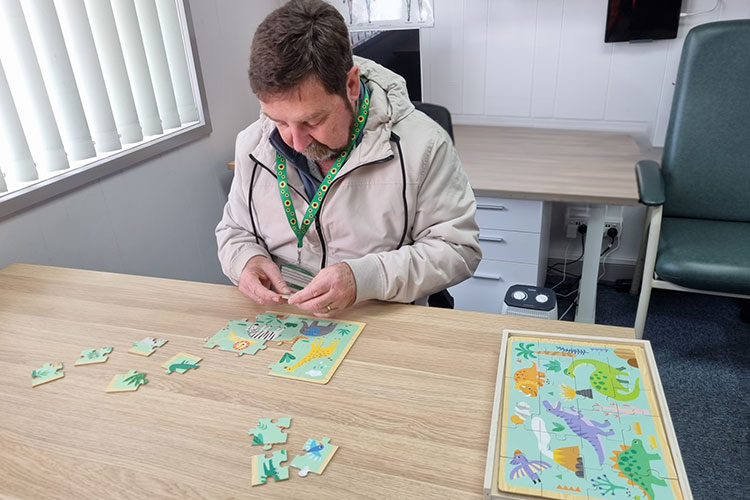
Trelity Health provides Cognitive Stimulation Therapy as part of our Allied Health and neurological rehabilitation programs. CST sessions are led by Occupational Therapists and supported by our multidisciplinary team including Physiotherapists, Exercise Physiologists, and Nursing to ensure cognitive, physical, and emotional wellbeing are all considered in care planning.
Our CST services
Initial Cognitive Assessment
Understanding each person’s cognitive strengths, communication style, and emotional wellbeing to design an appropriate therapy plan.
Individual CST sessions
Delivered one-on-one in the home, clinic, or community setting for personalised attention and flexibility.
Group CST sessions
Facilitated in a supportive and engaging environment to encourage social interaction, communication, and shared problem-solving.
Progress Monitoring and Reporting
Regular reviews and reports for NDIS, GPs, or other health professionals to track outcomes and support ongoing funding or therapy adjustments.
Integration with other therapies
CST often complements Occupational Therapy, Physiotherapy, Exercise Physiology, and Nursing care to build a complete picture of cognitive and physical function.
How Cognitive Stimulation Therapy supports neurological conditions
Cognitive Stimulation Therapy can assist people living with progressive neurological conditions by maintaining attention, language, and social participation through structured and meaningful activity. We adapt CST for people with:
Motor Neurone Disease
Maintain engagement, communication, and decision making in daily routines.
Parkinson’s Disease
Sustain focus, memory, and coordination through guided tasks and interaction.
Dementia
Support memory, orientation, communication, and social engagement through structured cognitive activities designed to maintain function and confidence.
Multiple Sclerosis
Support cognitive function and concentration during fatigue and symptom changes.
Stroke recovery and Acquired Brain Injury
Build confidence, recall, and participation during rehabilitation.
Therapy goals are discussed with the client and family. Sessions focus on what the person values most, from everyday conversations to hobbies or memory based tasks. CST provides a structured and engaging way to support cognitive skills, encourage participation, and promote emotional wellbeing.
Dementia and Cognitive Stimulation Therapy
Cognitive Stimulation Therapy (CST) is widely recognised as a beneficial non-pharmacological approach for people living with Dementia. It focuses on supporting memory, communication, orientation, and social interaction through structured and meaningful activities. CST does not aim to test performance, but to maintain cognitive function, confidence, and engagement in everyday life.
Programs at Trelity Health are adapted to the individual’s stage of Dementia, personal history, and daily routines. Sessions may include reminiscence, conversation, orientation cues, and familiar tasks that help maintain connection, participation, and emotional wellbeing while supporting both the person and their family.
Our Allied Health approach
All care is planned around individual needs. Depending on goals and health status, Cognitive Stimulation Therapy may involve only an Occupational Therapist or a wider team. Trelity Health can bring in Physiotherapy, Exercise Physiology, Nursing, and Support Coordination when this adds value. Your lead therapist coordinates the plan so care remains consistent, coordinated, and meaningful. This joined-up approach ensures that every CST session contributes to broader health and wellbeing outcomes helping people stay engaged, confident, and independent in daily life.
How our team supports Cognitive Stimulation Therapy

Occupational Therapists
Design and lead CST programs, selecting activities that match each person’s goals, environment, and daily routines.

Physiotherapists
Address mobility and balance challenges that may impact participation in CST and other daily activities.

Exercise Physiologists
Support physical endurance, coordination, and fatigue management, complementing the cognitive goals of therapy.
Registered Nurse
Provides clinical oversight, medication management, and health monitoring for participants with complex or changing medical needs.
Support Coordination
Ensures services and funding under NDIS or other systems are well organised, reducing stress for participants and families.
Cognitive Stimulation Therapy at Trelity Health
Therapy can be delivered individually or in small group settings, depending on goals and cognitive level. Each program is designed and supervised by an Occupational Therapist, with collaboration from Physiotherapy, Nursing, and Exercise Physiology when required. Our approach supports participation in daily life, helping people stay mentally active and socially connected.
Sessions may include
- Conversation-based exercises to build communication and confidence.
- Memory games and attention tasks to encourage focus and recall.
- Creative or sensory activities such as music, storytelling, or familiar tasks that strengthen thinking and connection.
Technology-supported cognitive engagement
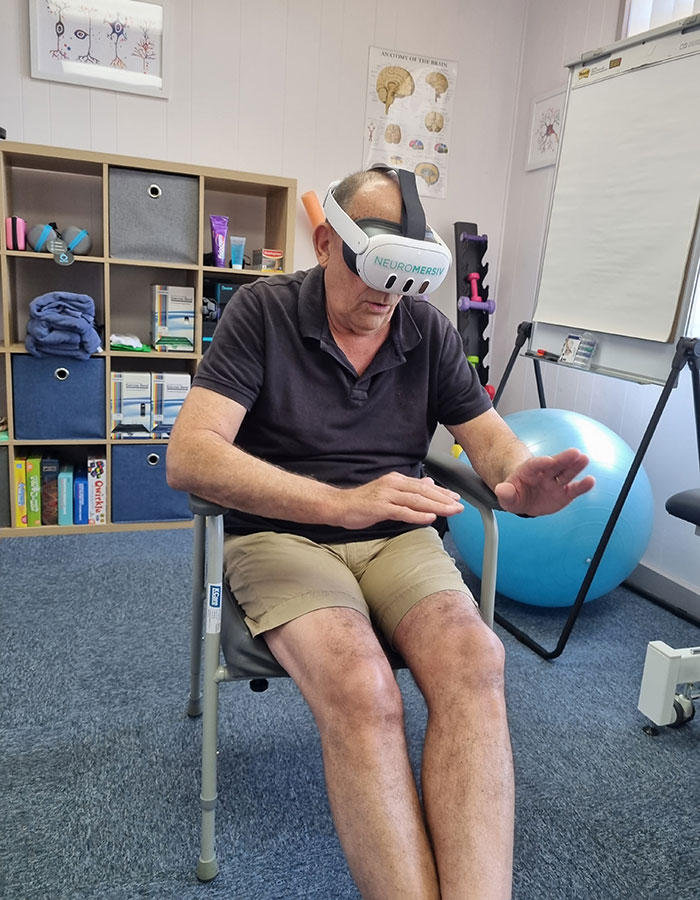
Cognitive Stimulation Therapy may incorporate tools such as LusioMATE and interactive response systems to support attention, coordination, and cognitive-motor integration. Movement-based and response-based activities help stimulate thinking, communication, and engagement while keeping sessions enjoyable and meaningful. Technology is used to complement structured CST activities, supporting participation, motivation, and confidence for people living with neurological or cognitive conditions.
Evidence-based practice and research
Cognitive Stimulation Therapy (CST) is an evidence-based intervention developed through international research and applied across Allied Health and rehabilitation settings. It focuses on structured cognitive, social, and sensory activities that help maintain attention, communication, and problem-solving skills.
Trelity Health’s approach follows recognised frameworks informed by Cognitive Stimulation Therapy research (UCLS) and the evidenced based for CST intervention developed at the University of London. Although most studies focus on Dementia, CST principles are widely applicable to neurological and progressive conditions when delivered by experienced Allied Health clinicians. Our therapists also reference the CST in Australia working group and the NDIS Quality and Safeguards Commission Practice Standards and Code of Conduct which guide local practice and adaptation within Australian Allied Health and Disability care settings.
Cognitive Stimulation Therapy at Trelity Health
Therapy can be delivered individually or in small group settings, depending on goals and cognitive level. Each program is designed and supervised by an Occupational Therapist, with collaboration from Physiotherapy, Nursing, and Exercise Physiology when required. Our approach supports participation in daily life, helping people stay mentally active and socially connected.
Sessions may include
- Conversation-based exercises to build communication and confidence.
- Memory games and attention tasks to encourage focus and recall.
- Creative or sensory activities such as music, storytelling, or familiar tasks that strengthen thinking and connection.
Funding and access
Funding and access options for cognitive stimulation therapy
Cognitive Stimulation Therapy can be accessed through NDIS Plans, Support at Home (Aged Care) Home Care Packages, GP or Specialist referrals, or private/self-funded arrangements. Our team can talk you through the options and what may apply in your situation – for more detail, visit our Funding & Access page or contact us to discuss your funding and referral options.
Service areas
Our service areas
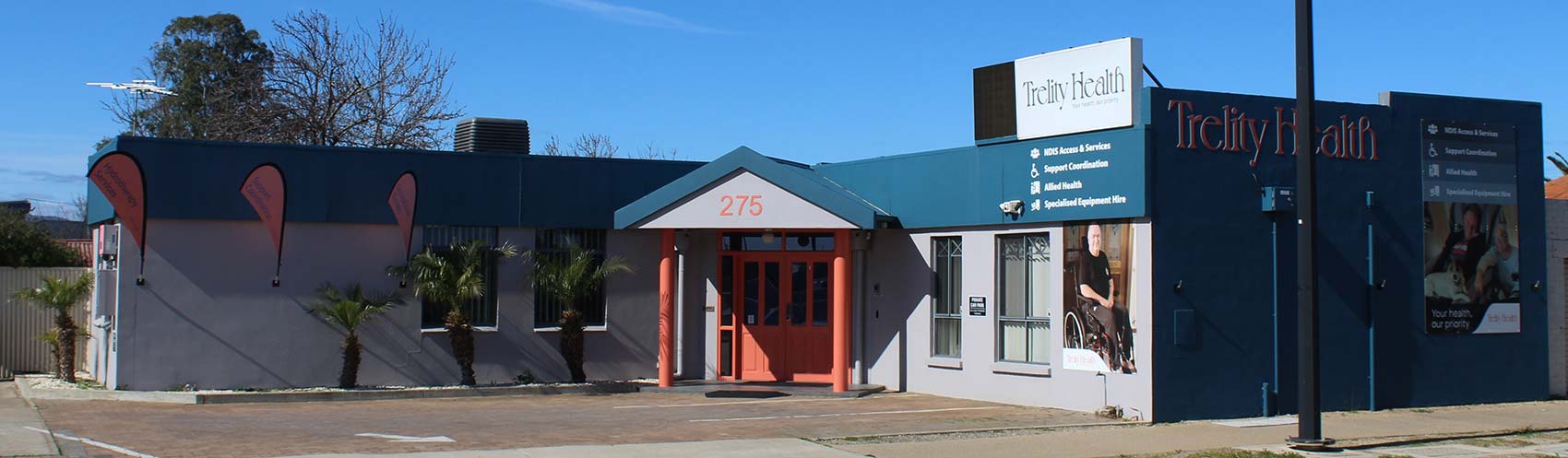
Trelity Health is based in Croydon Park in Adelaide’s north-west, with our clinic located on South Road at 275 South Road, providing convenient access for clients across metropolitan Adelaide. We support clients across the northern, western, eastern and southern suburbs. Home visits, clinic appointments and telehealth are available depending on your needs.
Frequently asked questions about Cognitive Stimulation Therapy
What is Cognitive Stimulation Therapy?
Who can benefit from CST?
How many Cognitive Stimulation Therapy sessions do I need?
Can Cognitive Stimulation Therapy help people living with Dementia?
Is Cognitive Stimulation Therapy covered by the NDIS?
Where does Trelity Health deliver CST sessions?
Trelity Health
Talk to our Allied Health team about CST
Cognitive Stimulation Therapy can make a meaningful difference to confidence, communication, and participation for people living with neurological conditions. Our Allied Health team can explain how CST works, help determine if it’s suitable for your goals, and discuss funding or referral options.